Lilli Paasikivi about power, risk, teamwork, and life on the other side of the opera stage
17 August 2026
By Oxana Arkaeva
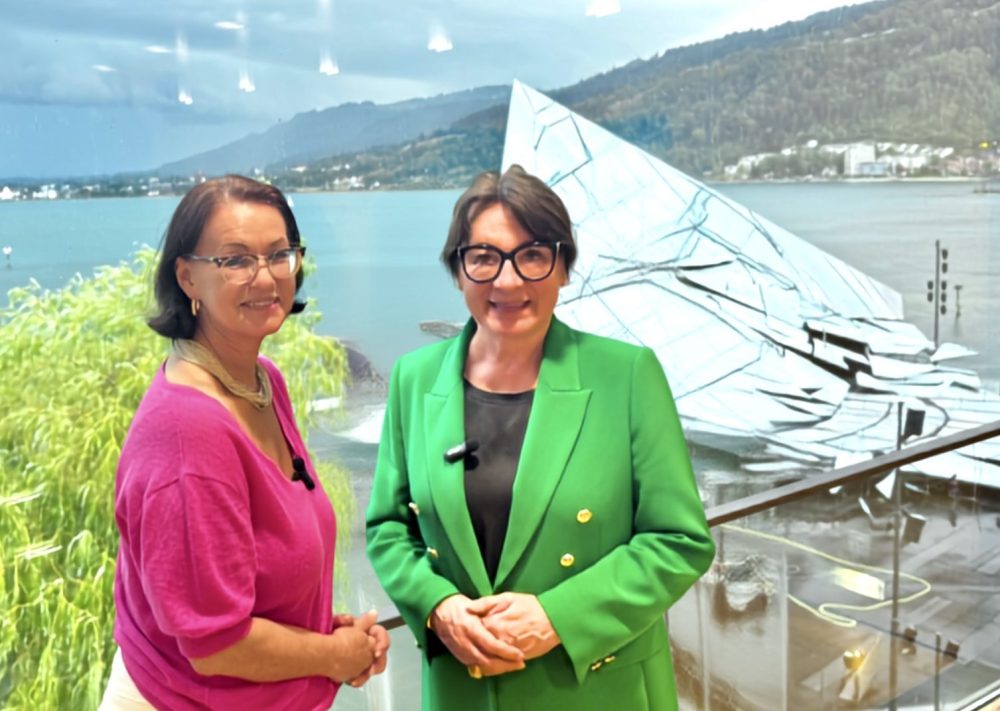
Lilli Paasikivi is a Finnish mezzo-soprano and arts manager. After an international singing career, she moved into leadership roles in the opera world and became Artistic Director of the Finnish National Opera in Helsinki in 2013. Since 2024, she has served as Artistic Director of the Bregenz Festival. Her work combines extensive stage experience with artistic planning, leadership, and international cultural management.
From Singer to Artistic Director
You spent many years on stage as a singer, and today you sit on the other side of the table. Is this a normal career path for an artistic director – singer, manager, artistic director – or is it still something rather unusual?
I think it is still quite unusual, although more and more singers are moving into management and leadership positions. In the German-speaking opera world, artistic directors often come from dramaturgy or stage direction. Yet the experience we gain over many years as performing artists is an excellent foundation for management. Of course, moving from the limelight to a desk is a major step. But I have enjoyed it very much. I would even say: Being an artistic director is my best role.
Leadership – A Question of Gender?
Do you see yourself as a role model or mentor for a younger generation – particularly for women who aspire to leadership positions in the cultural sector?
Absolutely. When I took up my position at the Finnish National Opera in 2013, I became the first woman in 100 years to hold that artistic leadership role. So I do feel a responsibility towards women who aspire to leadership positions. I have mentored several women, and I also support young leaders in opera management. Scandinavia is very emancipated in this respect, and I myself had strong women as role models and mentors. Nevertheless, I have also experienced chauvinism and situations in which I felt that it could be more difficult for a woman to lead an organization.
What matters to me is showing that leadership competence isn’t a matter of gender. Competence must be the decisive criterion.
Power and Responsibility
As a singer, you depend on decisions made by others – artistic directors, stage directors, opera managements or agencies. Today, you are the one making those decisions. Has your own experience on stage changed the way you deal with power and responsibility?
The transition from singer to artistic director was a major psychological change for me. My identity will always remain that of a singer. But at some point, I was ready to open a new door – and when you open one door, you also have to let something else go. A leadership position comes with enormous responsibility. My decisions can significantly impact other people’s livelihoods and careers. A position like this is not an ego trip. At the same time, it is a great privilege to shape a festival’s artistic program. I love developing programs and concepts and bringing all the individual elements together into one large mosaic.
Diva or Team Player?
Who does Lilli Paasikivi, the artistic director, engage: an extraordinary voice, a true diva – or perhaps a singer with a less spectacular voice who is an excellent colleague and works wonderfully with everyone? For me, the era of divas backstage is over. On stage, we want divas – backstage, we need team players. Fortunately, many fantastic singers are extraordinary on stage and wonderful colleagues off stage. Opera is teamwork. I want to work with people who contribute to a positive work environment, respect others, work proactively, and consider their colleagues.
Voice and Technology on the Lake Stage
On the Lake Stage, the voices are electronically amplified. Does that change the way you approach auditions? Could, for example, a more lyrical or smaller voice take on a role here that it might not yet sing in a traditional opera house?
When you amplify a voice, different qualities can come to the fore. A very metallic voice, for example, is not automatically the ideal voice for a microphone. Nevertheless, the voice must fundamentally suit the role. Amplification, however, can create new possibilities. A somewhat more lyrical voice may be able to sing a role on the Seebühne that it would perhaps not yet take on in a purely acoustic opera house. The wonderful thing about amplification is that singers do not have to fight for volume. They can use pianissimi, colors and nuances, and our excellent sound team ensures that these subtleties reach the audience.
Saying Yes, Saying No, Making Mistakes
As an artistic director, you have to say yes – and very often no. Which is more difficult? And how do you deal with a decision that may later turn out to have been the wrong one? When you take on a leadership position, you have to learn to say no. You need a clear strategy; you have to be consistent, and you must not avoid uncomfortable decisions. Every yes to one thing is also a no to something else. You always make decisions based on the knowledge available to you at that particular moment. Of course, there have been situations in which I later thought: perhaps that was not my best decision. But you have to learn from it and move on.
If you are afraid of making a mistake, you cannot make any decisions at all.

Intimacy on a Gigantic Stage
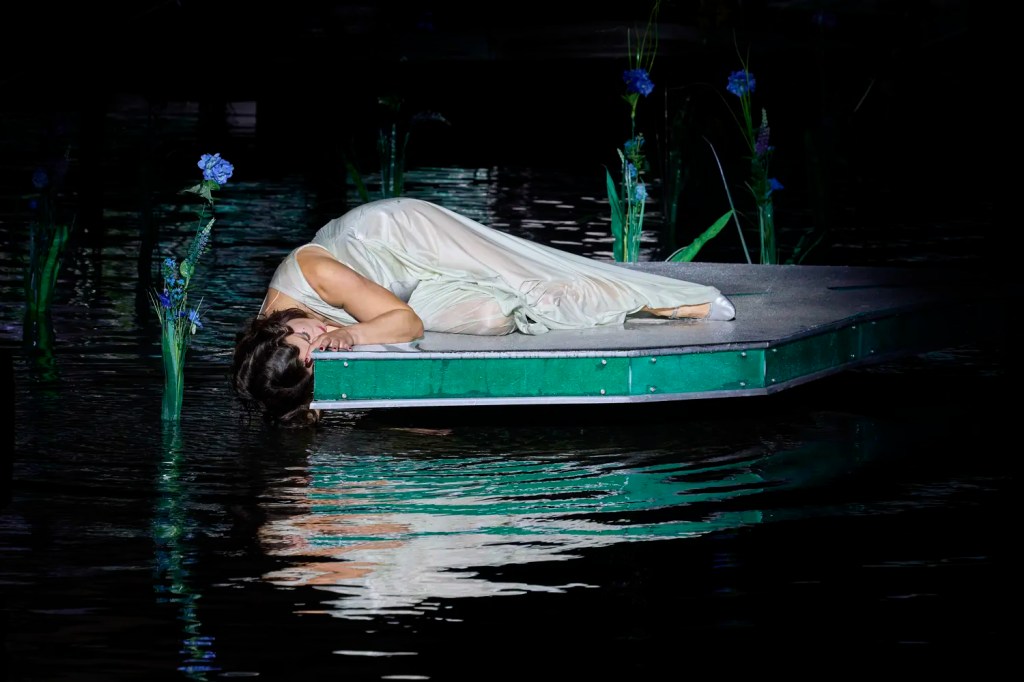
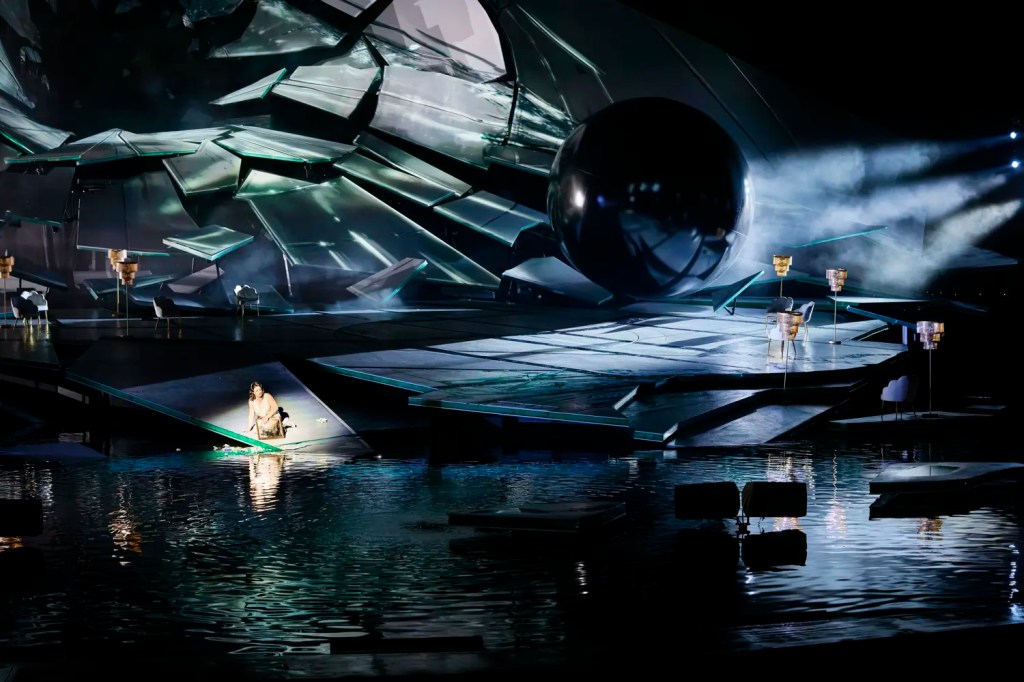
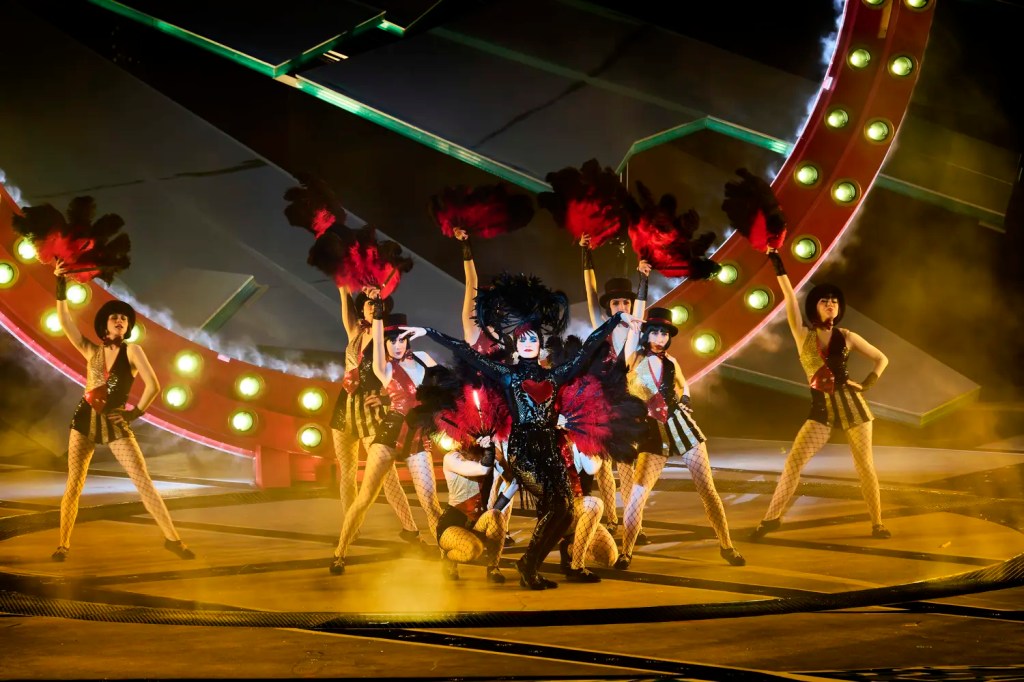
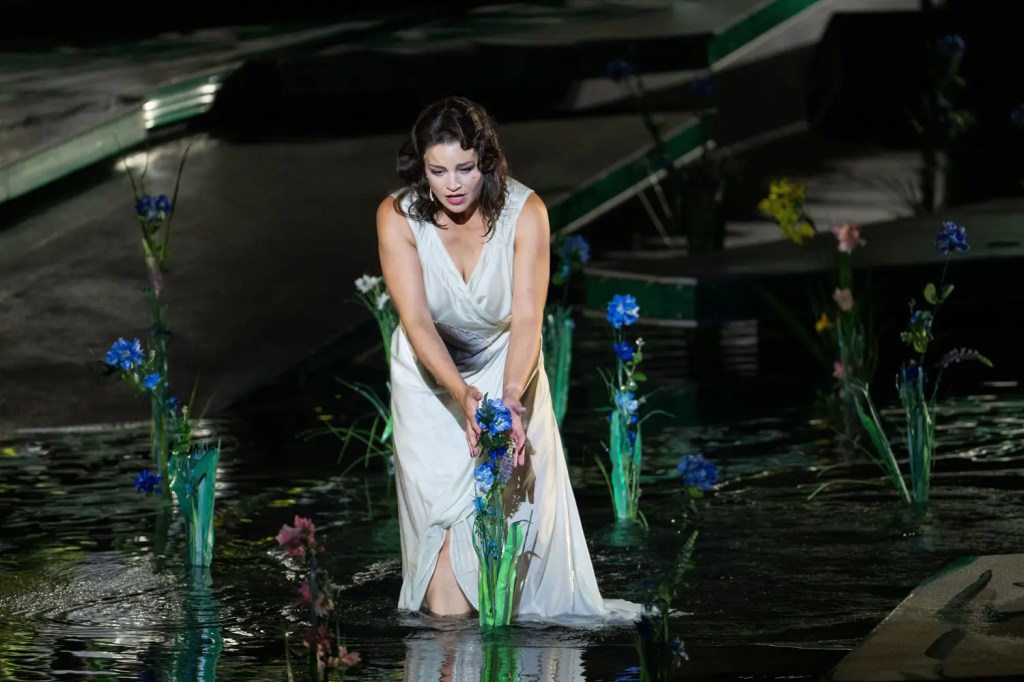
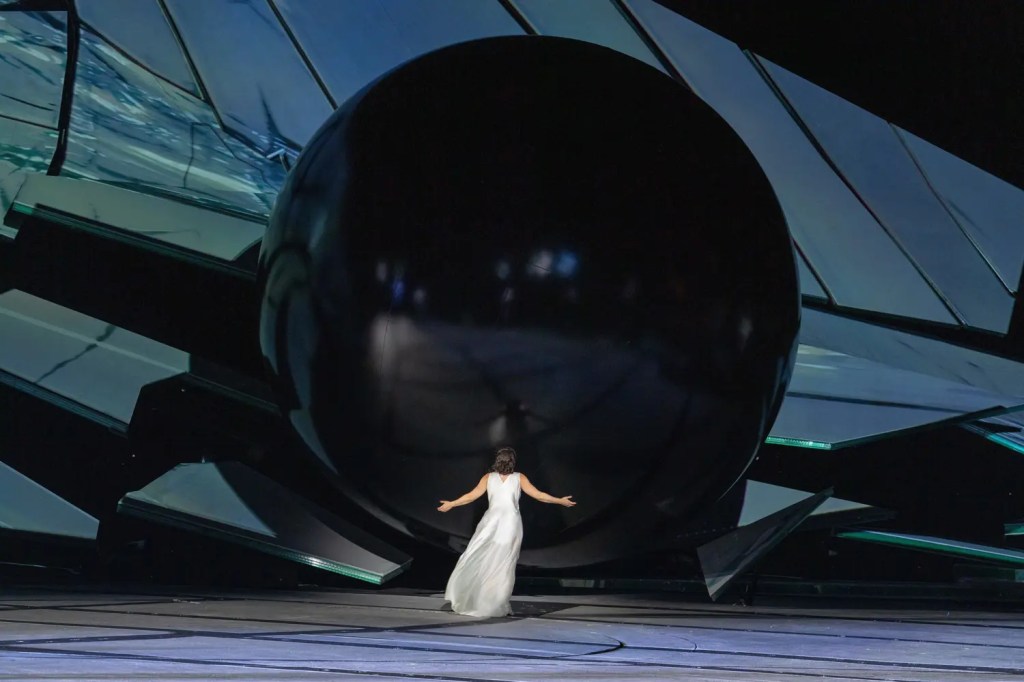
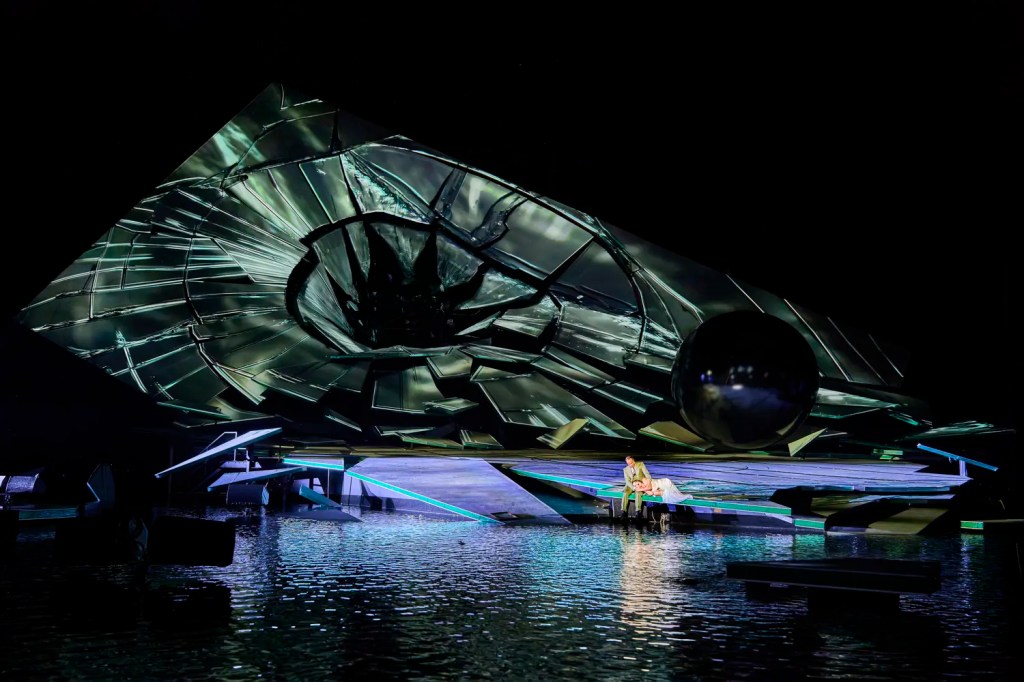
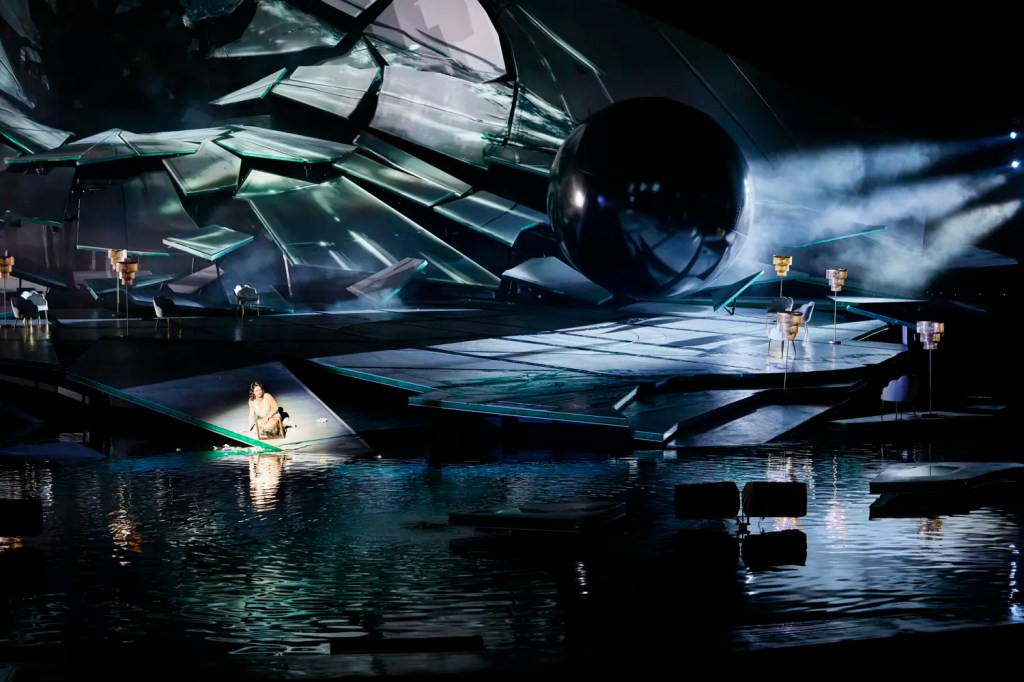
La traviata is full of very intimate moments – “È strano!”, “Addio del passato”, as well as the great duets and dramatic scenes. How do you prevent vulnerability and intimacy from getting lost on such a gigantic stage?
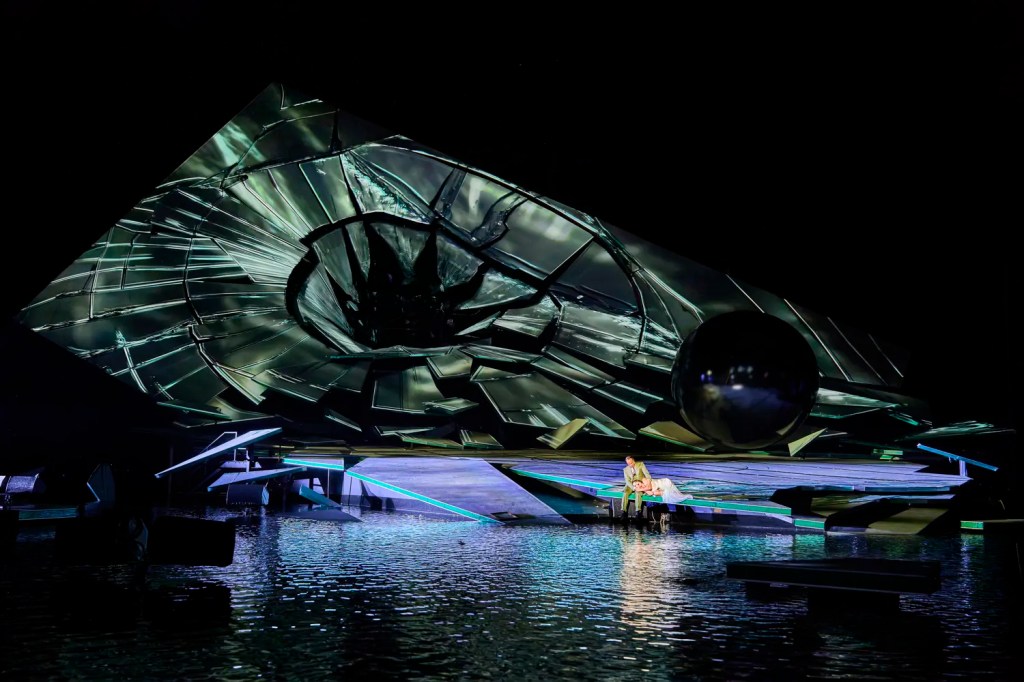
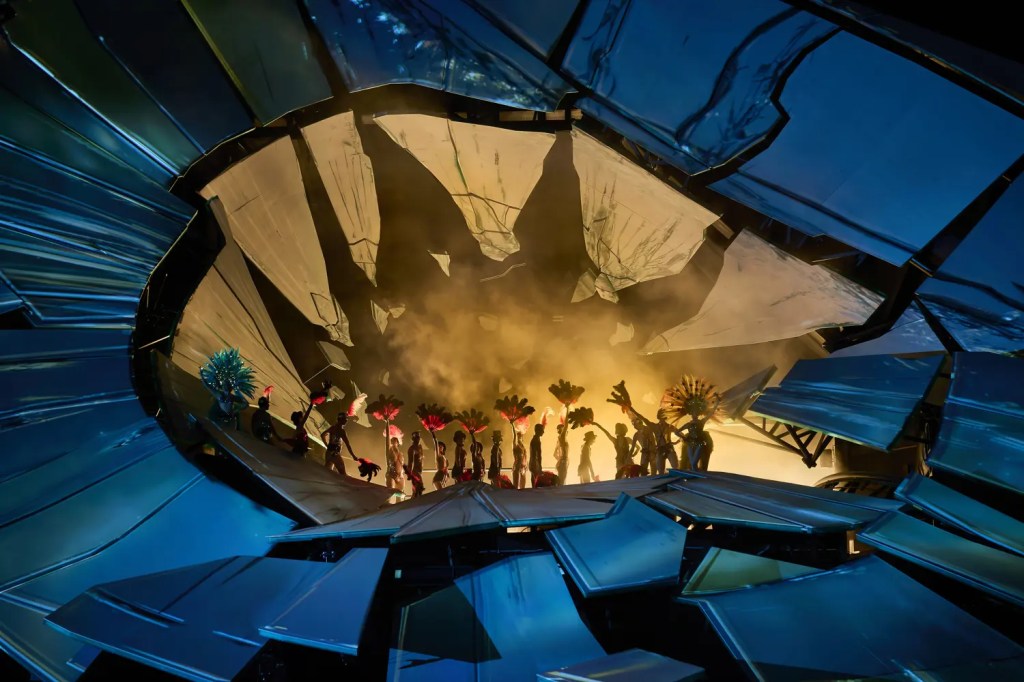
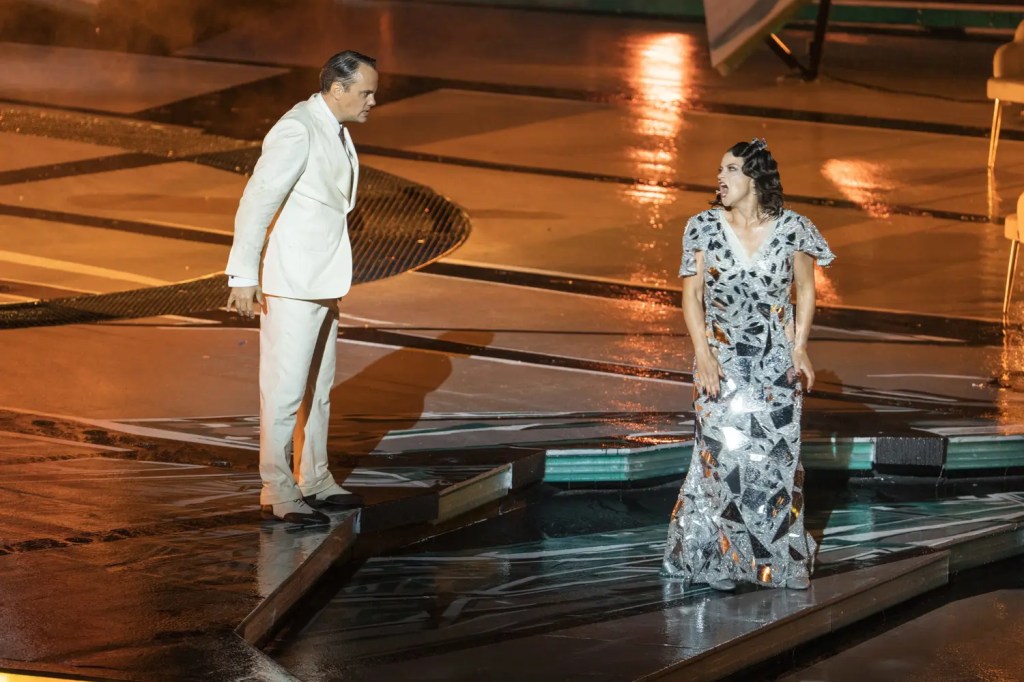
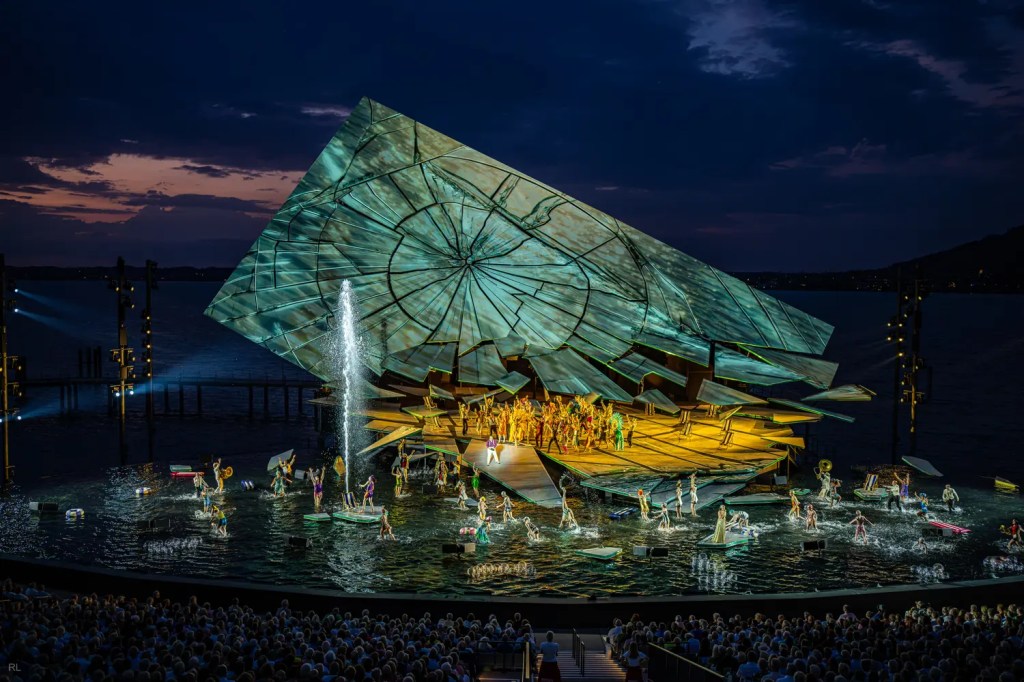
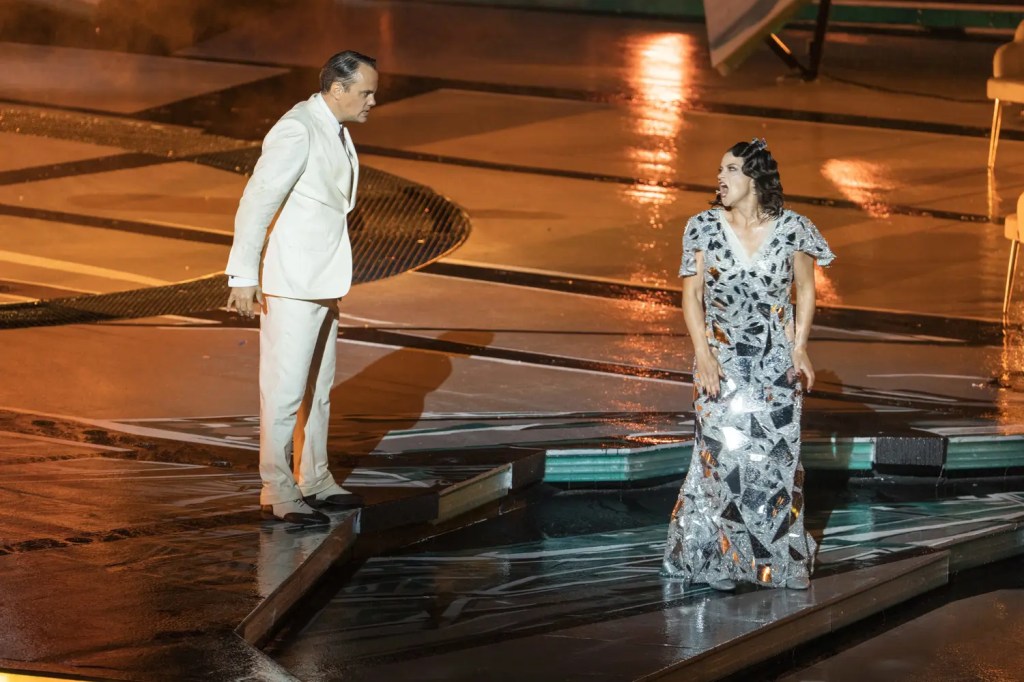
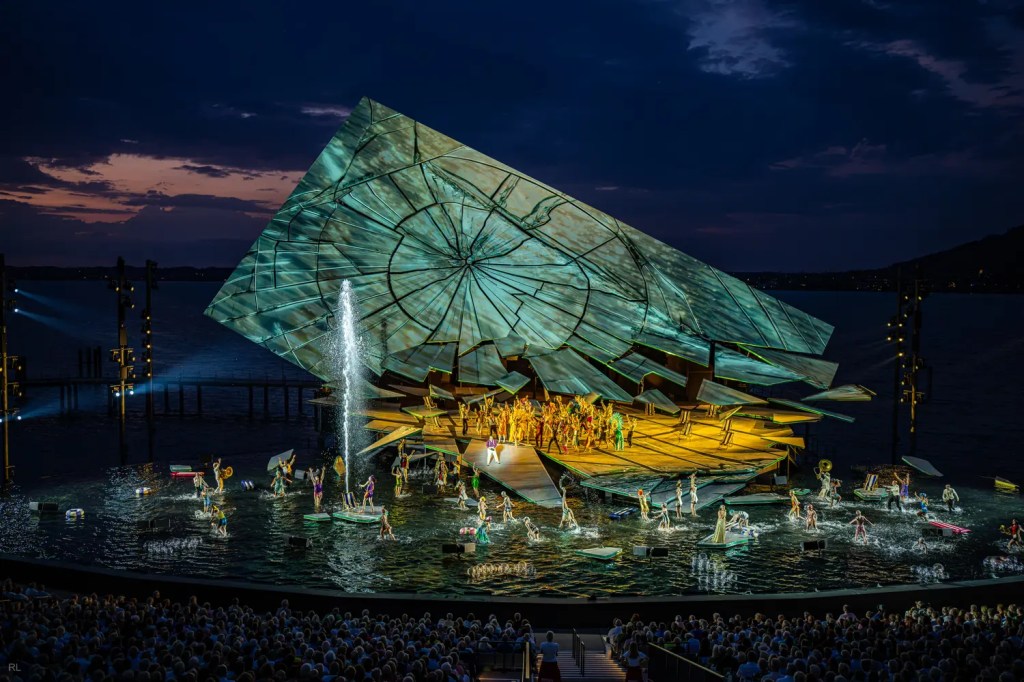
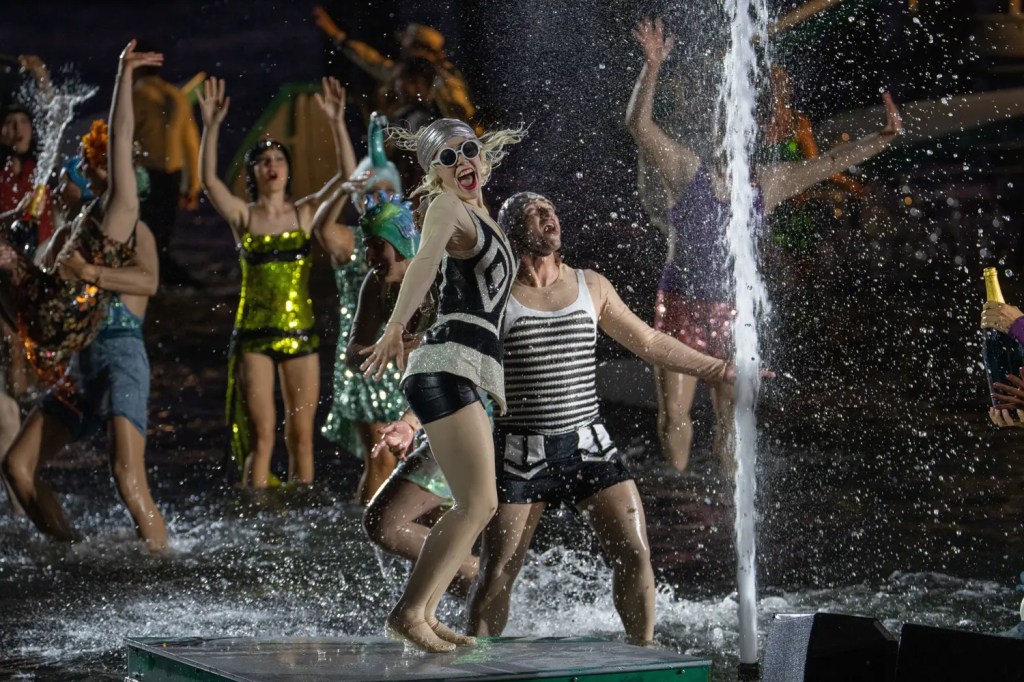
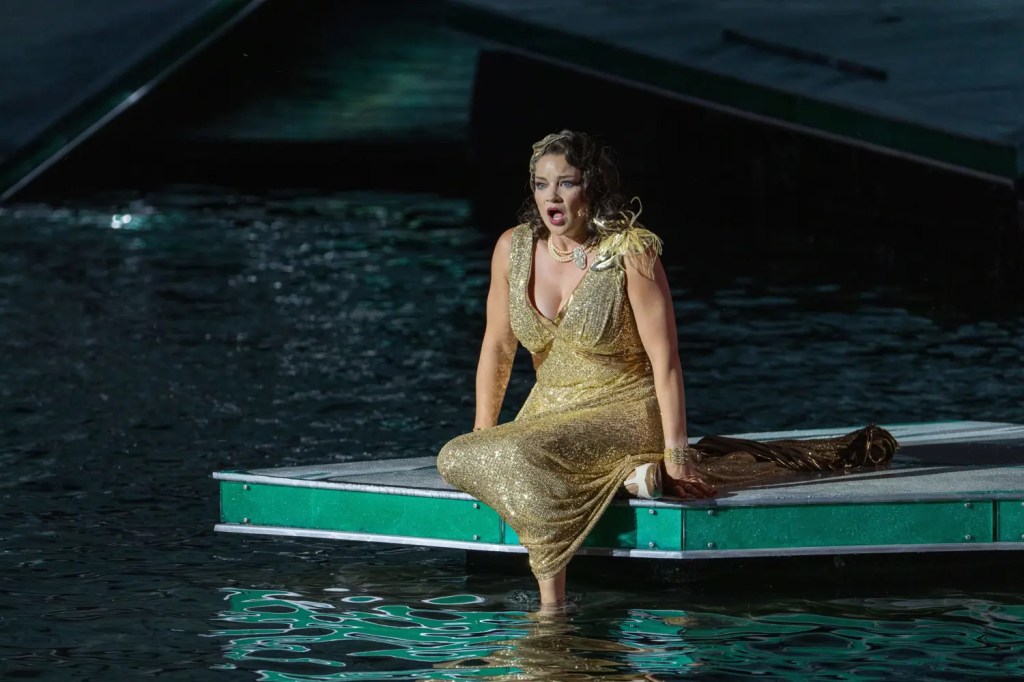
La traviata combines large party scenes with intimate, fragile moments. I was very happy to secure Damiano Michieletto as the director of this production. It was also his first La traviata. Paolo Fantin’s enormous mirror is not simply a set piece; it also becomes a storytelling device and opens up additional intimate layers within the story. Of course, the distances on this stage are enormous. In a duet at a conventional opera house, two people might be five meters apart – here, it can be twenty-five meters. Nevertheless, the production team has used light, color and video to create different spaces and, in doing so, generate intimacy even on such a vast stage.
The Right to Fail
As an artistic director, you make difficult decisions and take artistic risks. Does an artistic director have the right to fail?
Of course, as an artistic director, you want to make the right decisions, especially because you understand their consequences. But this job also requires a willingness to take risks. Art is subjective, and the more people involved in a process, the greater the uncertainty. Sometimes you wake up in the morning or lie awake at night asking yourself: Do I need to intervene in this process – or should I deliberately not intervene? You have to be able to tolerate that uncertainty.
You have to take risks to create something interesting. If the only objective is to avoid mistakes, failure is practically guaranteed.
Work and Self-Care
Resilience and self-care are particularly important in such a demanding position. What do you do for your health and to create moments of recovery during the intensity of the festival? You are asking me this in the fourth week of the festival, seven days before the end – you can probably hear it in my voice and see it in my eyes. Being an artistic director is a very demanding job. A tired and stressed artistic director is not a good artistic director. So you have to take care of yourself. I enjoy the small things in everyday life and create moments of recovery every day. And of course, sometimes I lie on my sofa and watch Netflix, or call my family and friends. My life is not only about work. Humor is also extremely important to me. I like to joke and laugh with my colleagues. Even when we are facing major challenges, I want to enjoy my work. For me, there always has to be a little humor – and a little rock ’n’ roll.
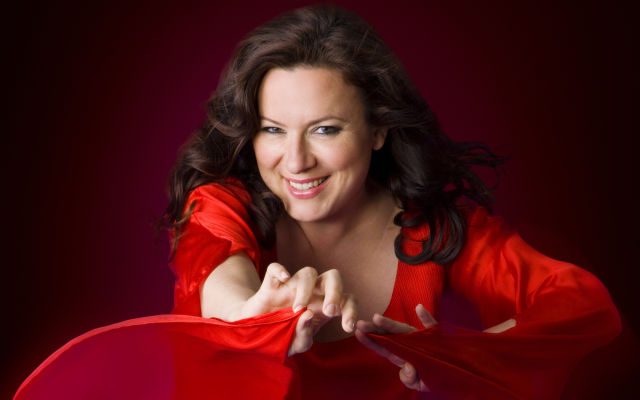
Mezzo-Sopranos as Survivors
“Mezzo-soprano” describes the voice between soprano and contralto – although it is sometimes incorrectly translated as “half a soprano.” Dramaturgically, the mezzo is often somewhat in the second row, although there are also magnificent central mezzo roles. What does being a mezzo-soprano mean to you personally?
First, it’s a vocal question: where does your voice feel most comfortable? But I feel one hundred per cent like a mezzo-soprano – not only vocally, but mentally as well. I love the psychology of mezzo-soprano characters. Carmen and Amneris, for example, are among my favorite roles – strong women with strong identities. At the same time, Suzuki accompanies Cio-Cio-San and serves her tea. I never had a problem with “serving tea to the soprano” on stage if it meant being surrounded by wonderful music. Think of Rossini: many of his mezzo-soprano characters are survivors. Rosina, Cenerentola or Isabella in L’italiana in Algeri – they are strong, practical and excellent problem-solvers.
Mezzo-sopranos tend to die less often on stage. Perhaps that is why they later become artistic directors – because they are survivors.

