Piotr Beczala, Elena Stikhina, and Luca Salsi Shine in a Concert Performance of Umberto Giordano’s Revolutionary Opera
25 August 2025 (concert performance)
By Oxana Arkaeva
27 August 2025
Since its founding in 1920, the Salzburg Festival has been regarded as one of the most significant classical music festivals in the world, uniting opera, concert, and drama at the highest artistic level. In this tradition, the festival not only dedicates itself to the great repertoire classics but also frequently presents rarely performed works on stage. Umberto Giordano’s Andrea Chénier, which premiered in Milan in 1896, is a key work of Italian verismo, fusing the dramatic turmoil of the French Revolution with passionate music. The character of the poet Chénier is based on a historical figure who was executed for his critical verses. At this year’s Festival, the opera was presented in a unique concert performance at the Großes Festspielhaus – with a clear focus on voices and orchestra. At the center of this performance stood three internationally acclaimed soloists: tenor Piotr Beczala, soprano Elena Stikhina, and baritone Luca Salsi.
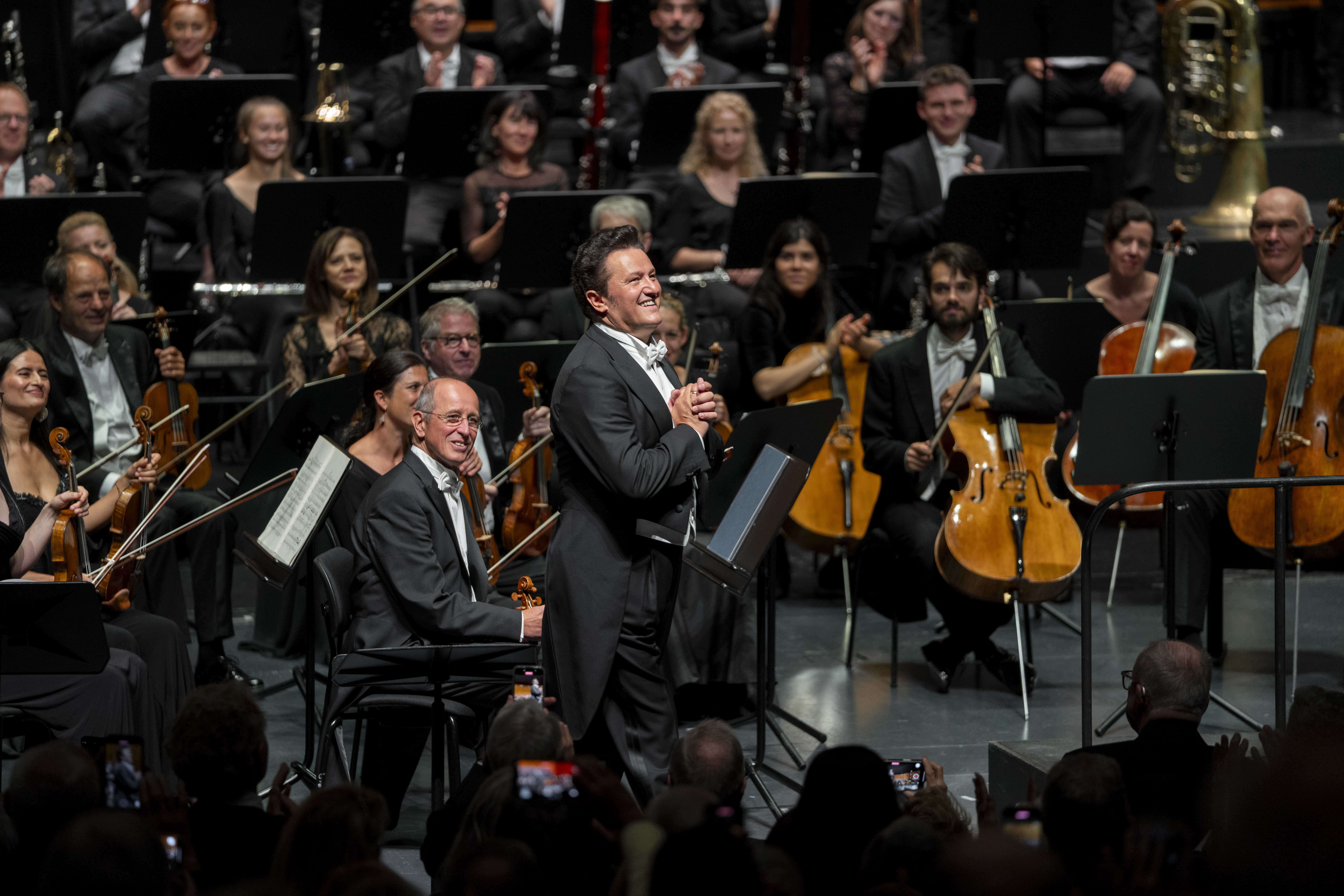
Piotr Beczala as Andrea Chénier © SF/Marco Borrelli 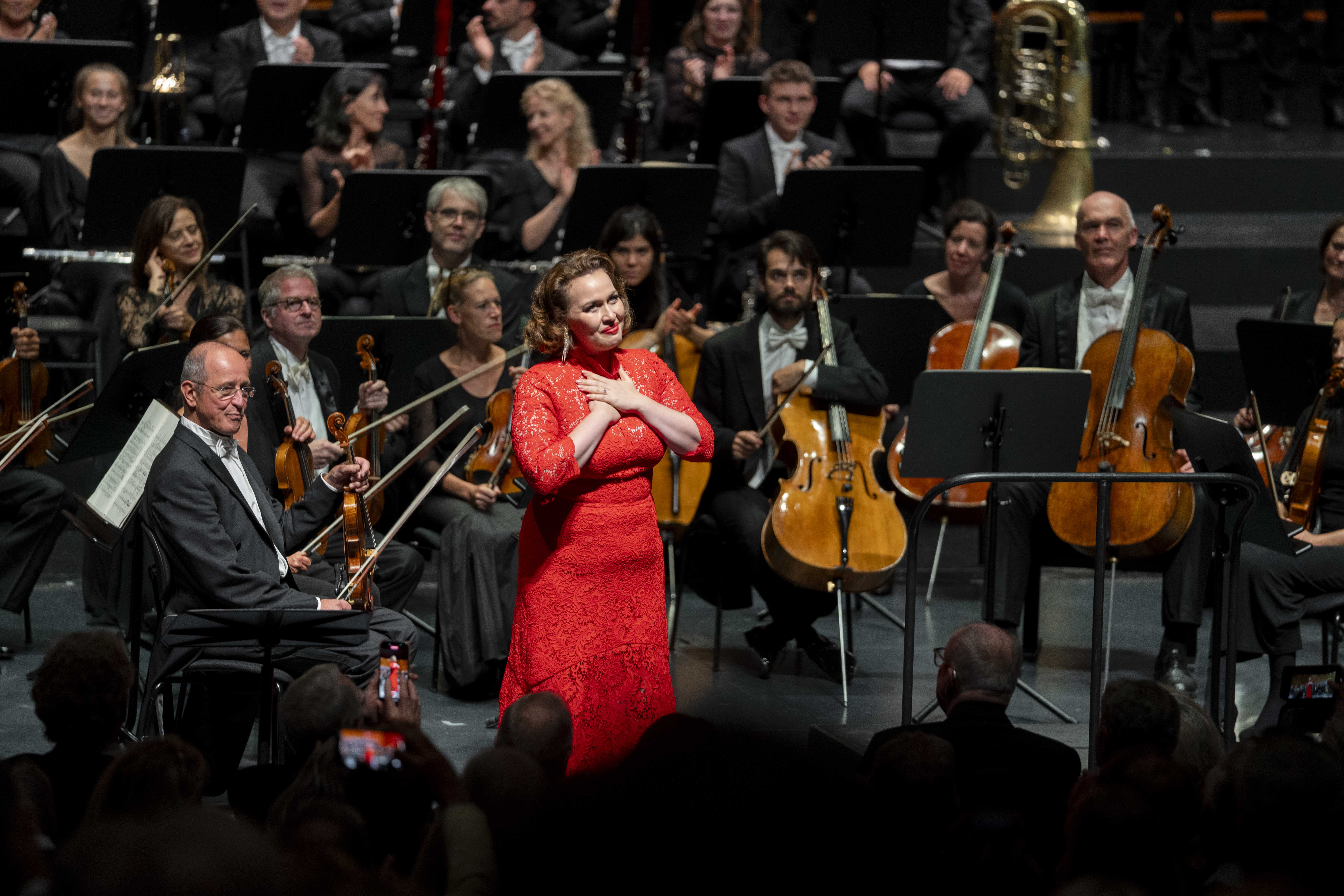
Elena Stikhina as Maddalena di Coigny © SF/Marco Borrelli 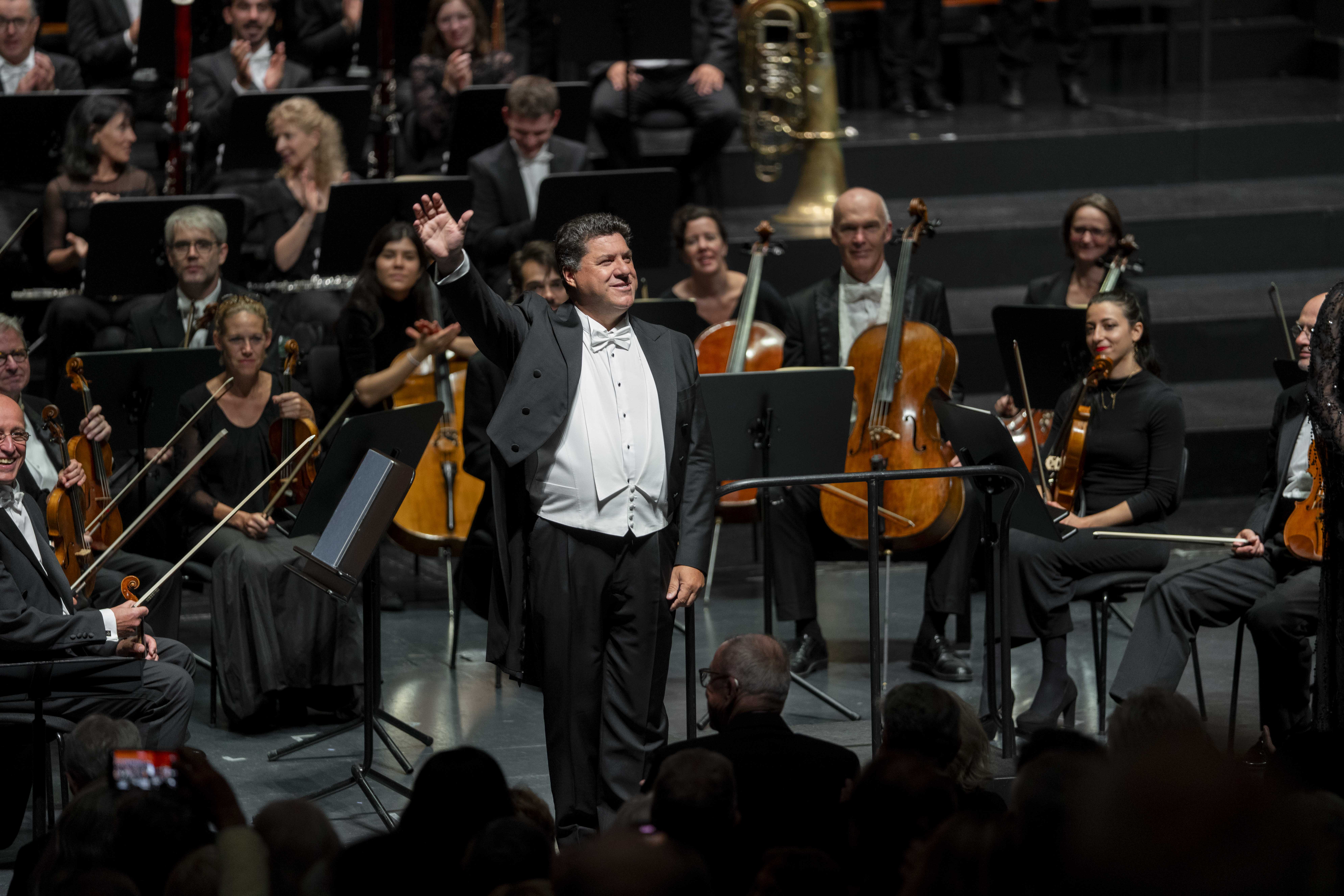
Luca Salsi as Carlo Gérard © SF/Marco Borrelli 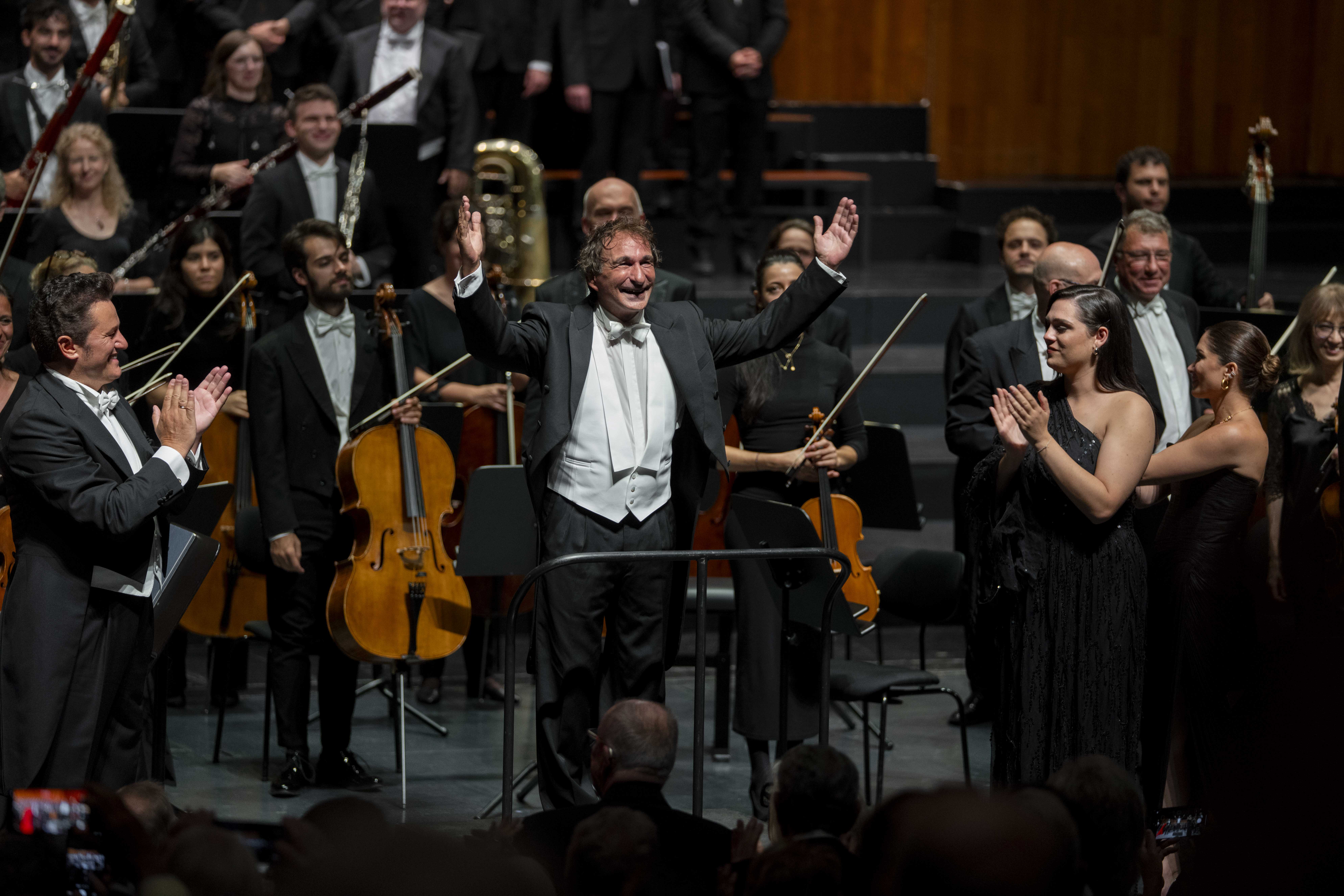
Marco Armiliato, conductor© SF/Marco Borrelli 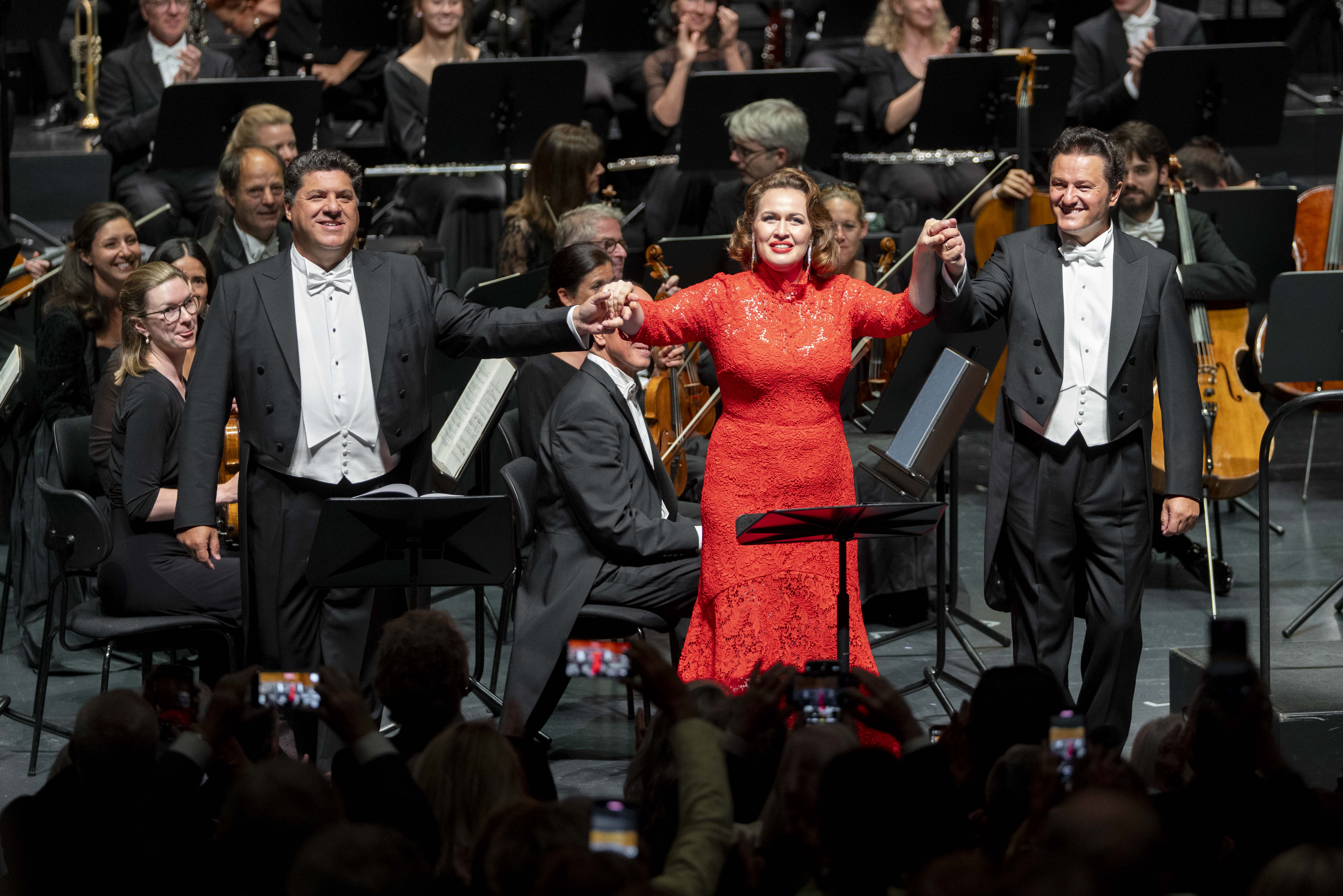
Elena Stikhina Maddalena di Coigny, Piotr Beczala Andrea Chénier, Luca Salsi Carlo Gérard and Marco Armiliato, conductor © SF/Marco Borrelli
Under Marco Armiliato’s baton, the Mozarteum Orchestra unfolded a wide palette of colors, illuminating Giordano’s score in all its richness: lyrical, gentle string textures alternated with triumphant brass and sharply etched rhythmic accents. The tempi felt carefully considered, always in service to the singers, yet without losing dramatic urgency. Striking was the fine balance between orchestra and soloists, allowing the voices to cut through even in the fullest passages.
The focus then shifted to Piotr Beczala, making his Salzburg debut as Chénier; he was simply outstanding. He proved to be an ideal interpreter of the title role. His lyric-spinto tenor, with its radiant top and warm middle register, combined lyrical tenderness with heroic power. Already his opening Improviso moved the audience to tears – expansive phrasing, endless legato, celebrated with rapturous applause. His stage presence: noble, yet deeply emotional. Technically, he impressed with classical bel canto breathing and efficient emission, never forcing the tone, even in the highest registers. His artistic maturity was palpable: starting from a lyrical foundation, he has expanded his repertoire organically into more dramatic heroic roles.
Following Beczala’s powerful interpretation, Elena Stikhina took the stage as Maddalena di Coigny, shaping the role with youthful freshness and a dark-hued soprano. Her timbre: a clear middle, radiant high notes, seamless legato. She let the line breathe, sang with cultivated support, and lent the character a noble presence – oscillating between despair and devotion. Her La mamma morta became, alongside the Improviso, a highlight of the evening.
Completing the principal trio, Luca Salsi appeared as Carlo Gérard. His dark, full-bodied baritone possesses enormous power, which he combines with cultivated phrasing. He relies on clear diction, expressive treatment of the text, and dramatic credibility. Technically assured, with strong support and broad arcs of phrasing, he portrayed a Gérard who was far more than just an antagonist: a man torn between power and remorse, anger and humanity. In his aria Nemico della Patria, he revealed not only vocal authority but also psychological depth – one of the dramatic high points of the performance.
The rest of the cast was equally of high caliber. Particularly notable were Dora Jana Klarić (Countess di Coigny) and Christopher Humbert Jr. (Fouquier Tinnville), both from the Young Singers Project. With powerful voices, musicality, and impressive stage presence, they left a strong mark.
In terms of content, the opera remains strikingly relevant. Lines such as “The homeland is where you raise your sword to defend it, not where you kill its poets,” or “The Revolution devours its own children” resonate as urgent reminders: dictatorships cannot ignore the needs and hopes of their people without blood being shed. And: revolution does not necessarily mean progress – too often, victims become perpetrators.
Musically, the Salzburg Festival achieved an event of special radiance with this concert performance: a rarely heard work in the repertoire was presented with seriousness, vocal brilliance, and orchestral splendor. The concert format proved to be an advantage: without scenic distraction, voices and orchestra were in the spotlight, with technical and interpretative subtleties emerging in full clarity. Thus, even without sets and costumes, an operatic evening of gripping intensity unfolded – a powerful plea for the pure force of music.
 Singers, Staging, Orchestra