“One Night in Venice” (23 August) & “Orpheus in the Underworld” (24 August)
By Oxana Arkaeva
26.08.2025

Bad Ischl, in Austria’s Salzkammergut, has long been a place where history and music converge. Empress Elisabeth (“Sisi”) and her entourage spent many summers here. Numerous composers also found inspiration in these idyllic, blue sky-green hills-sunny surroundings. Franz Lehár, an honorary citizen, wrote important works here and lived in the villa, now a museum. Emmerich Kálmán composed in his Rose Villa, Johann Strauß spent his last summers in Bad Ischl, and Brahms and Bruckner found creative peace here. And Oskar Straus felt deeply connected to the town. Many monuments, plaques, and honorary graves still bear witness to this tradition.
The Lehár Festival continues this musical heritage and in 2025 celebrates the 200th anniversary of Johann Strauß the Younger. With his music – from “Die Fledermaus” to the New Year’s Concert – he continues to shape the image of the Viennese operetta. The performances of “Eine Nacht in Venedig” (A Night in Venice) and “Orpheus in der Unterwelt” (Orpheus in the Underworld) presented two central pillars of operetta art: Strauß, the Waltz King, and Offenbach, the satirist and trailblazer of the genre.
The two operettas could hardly be more different in history, musical ambition, and dramaturgy, yet both are essential parts of operetta history. While the first is full of a waltz atmosphere, lightness, and a cheerful masquerade, it shows dramaturgical weaknesses and relies mainly on mood. “Orpheus in the Underworld,” on the other hand, is built with sharper focus. Offenbach’s satire links myth and society with ironic punch and musical finesse. Strauß unfolds his charm in lush melodies and elegant entertainment, while Offenbach ignites a comedic firework that still feels strikingly modern. While operetta is staged more contemporarily elsewhere, Bad Ischl holds on to the traditional form – and rightly so.

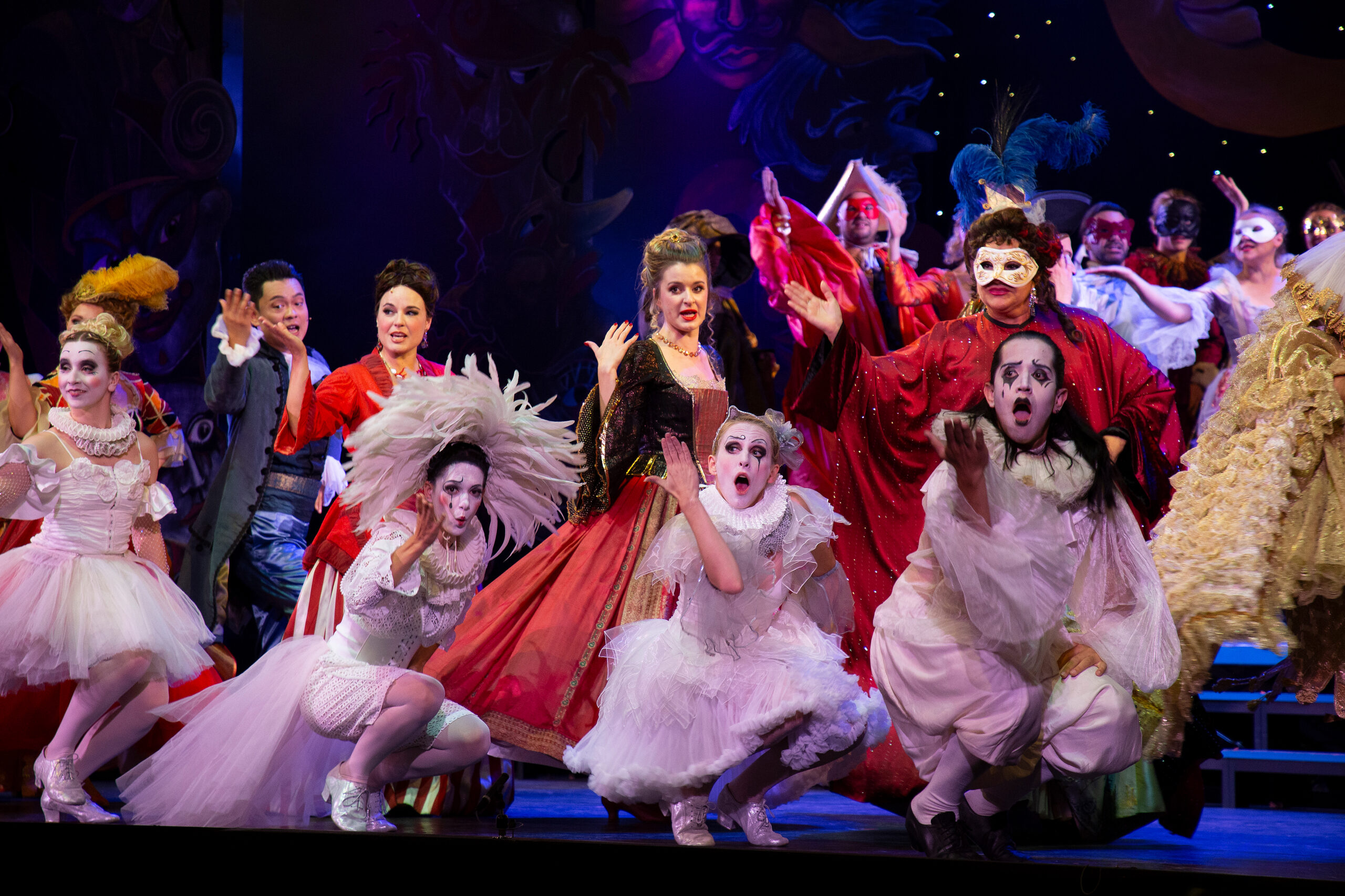
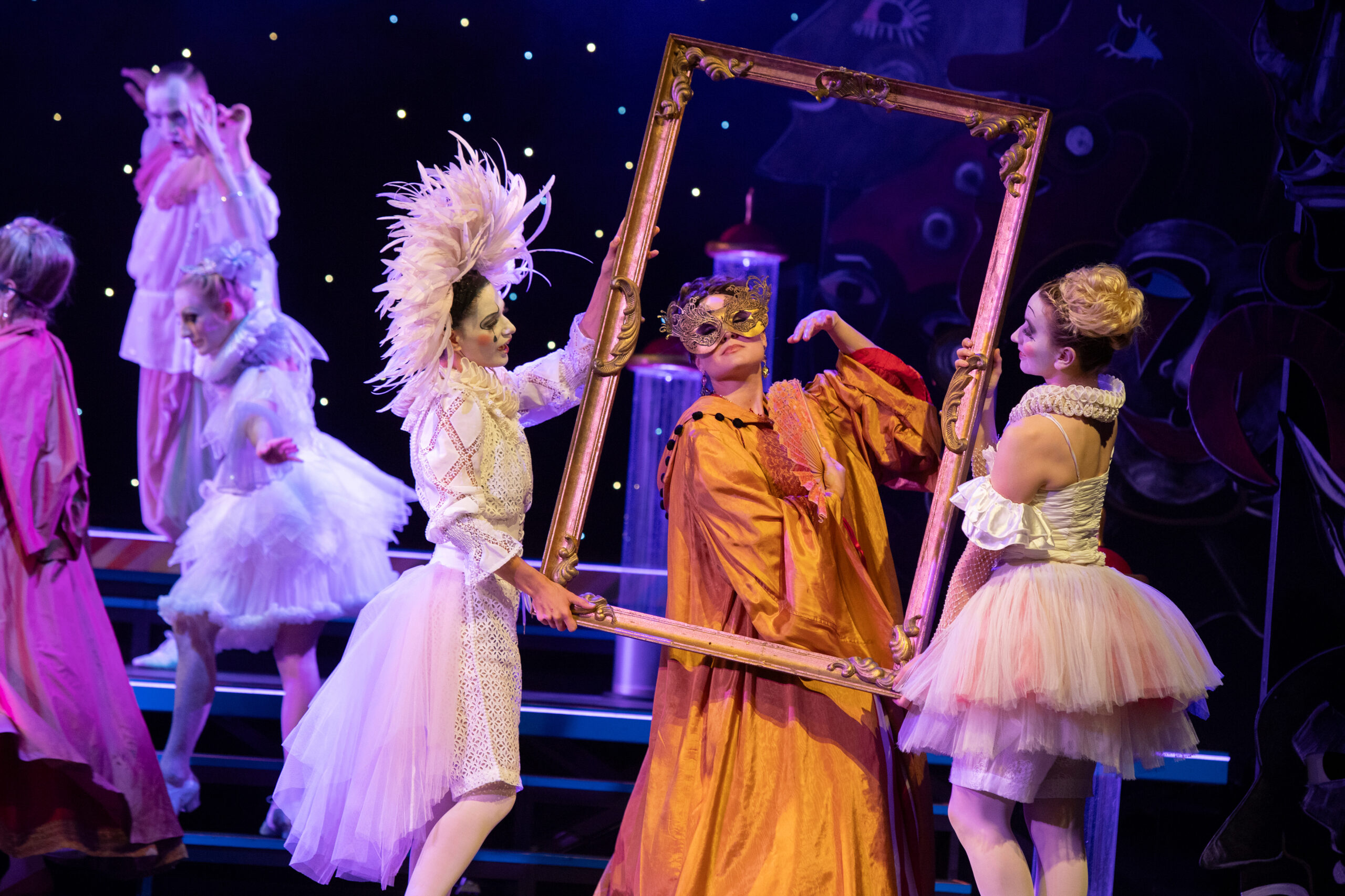

Wolfgang Dosch directed “Eine Nacht in Venedig” in a classical style, trusting in the charm of operetta, with grand gestures, dance, and singing at the proscenium. Stefan Wiel’s stage design with oversized masks and shimmering draperies, Sven Bindseil’s costumes, and Johann Hofbauer’s lighting created a colorful Venetian flair. Vocally, Tina Jäger (Anina), Marie-Luise Engel-Schottleitner (Cabaletta) and Miriam Portmann (Agricola) stood out. Christoph Huber conducted the orchestra with verve and sensitivity, managing to balance the different vocal dynamics and running out solos with care and elegance.
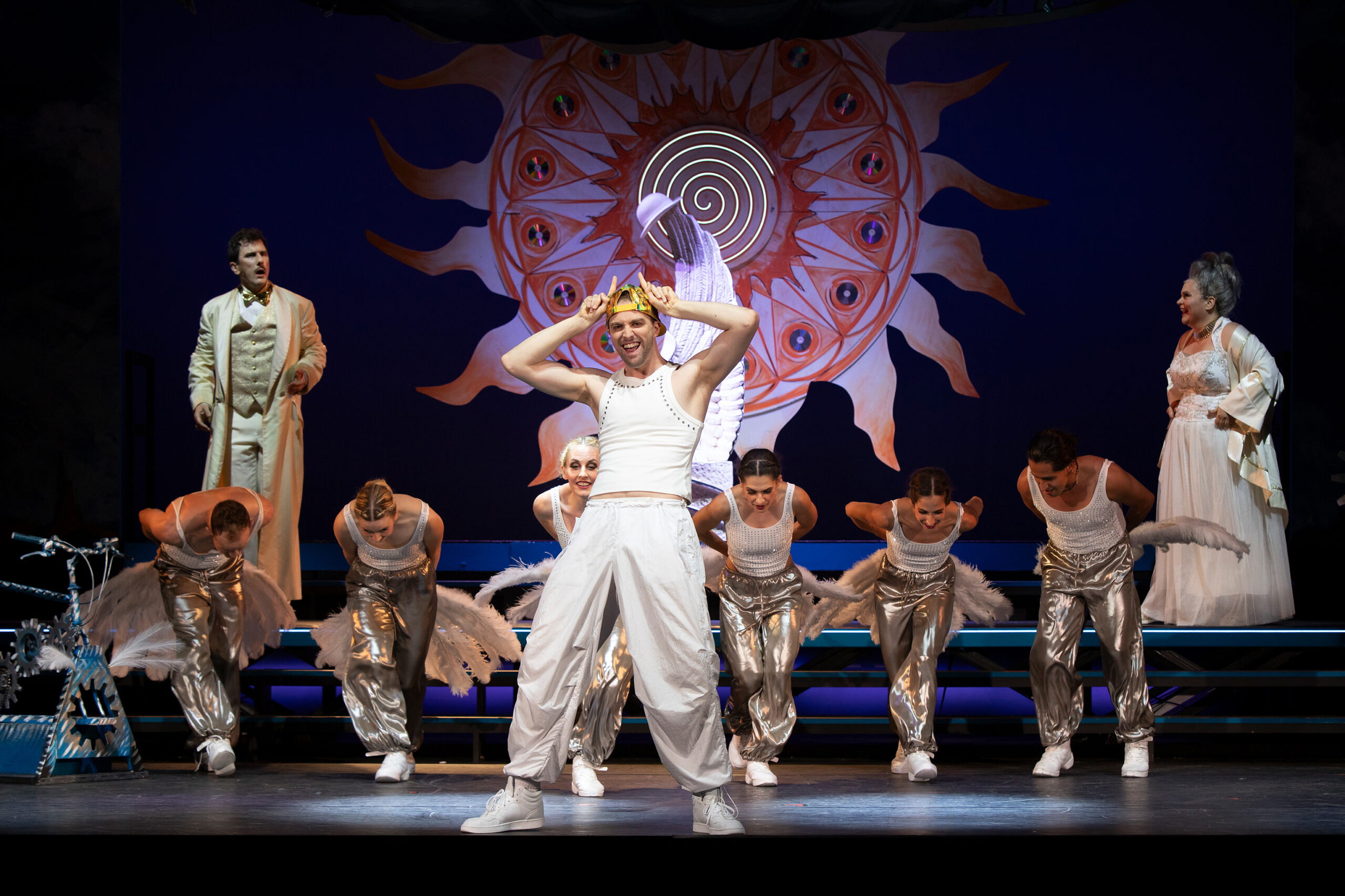

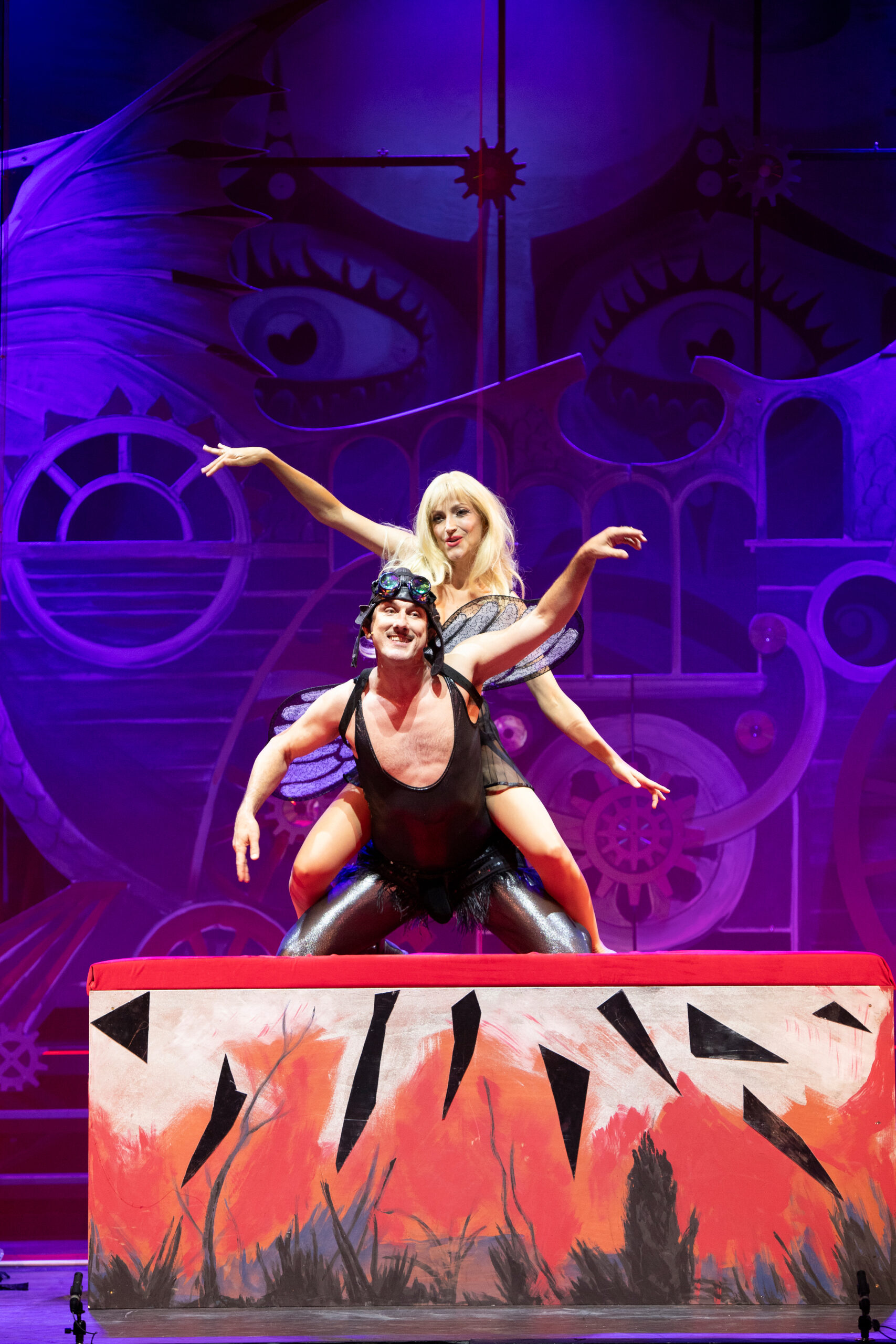
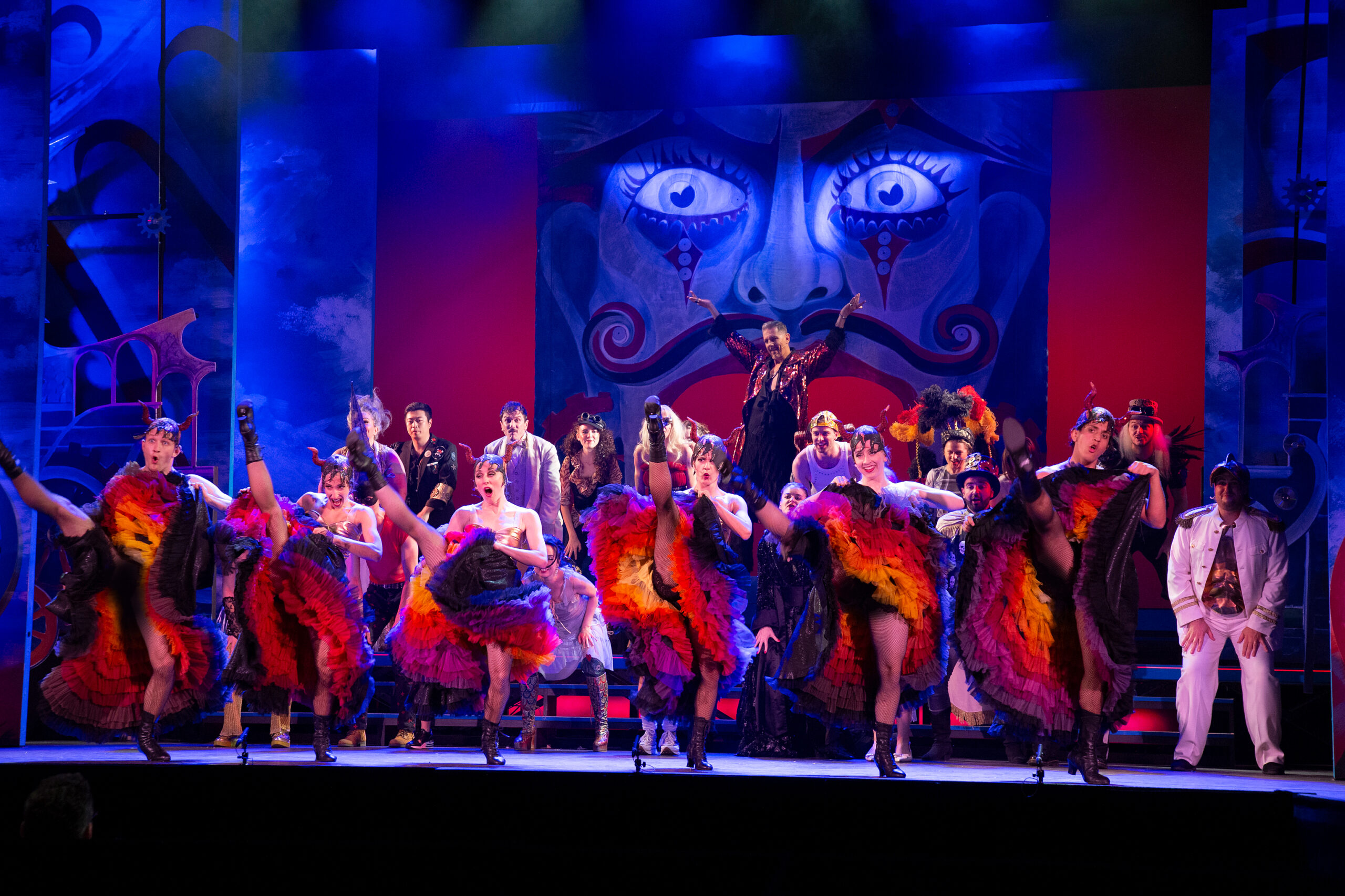
Thomas Enzinger’s “Orpheus in the Underworld,” by contrast, felt fresher, bolder, and socially more relevant. With references to social media, influencers, and the language of Gen Z, he built a bridge to the present. The staging took up Offenbach’s satirical edge, addressing questions of power, vanity, women’s rights and equality, and social double standards. Eurydice in particular was interpreted as a mirror of female self-determination: no longer a victim, but a figure who humorously and confidently subverts her situation. During the gods’ revolt – “Let’s make Olymp great again!” – Jupiter’s wife Juno (Eva Schneidereit) calls for a female revolution.
Stage and costumes (by Wiel and Bindseil as well) created a grotesque, colourful underworld between ancient caricature and burlesque fairground. Hofbauer’s lighting set pointed accents. The singers – Robert Bartneck (Orpheus), Jeannette Wernecke (Eurydice), Martin Achrainer (Jupiter), and Peter Bording (Pluto) – impressed with expressiveness, playfulness, good voices, and clarity of diction. The duo Achrainer/Bording, in particular, delighted with elegant comedy and obvious joy in acting. The Franz Lehár Orchestra under Laszlo Gyüker played with nuance and drive, while the chorus and ballet (choreography: Lukas Ruziczka) completed the ensemble with energy and precision.
Strauß’s elegant entertainment and Offenbach’s satirical bite exemplified the breadth of the genre. “Eine Nacht in Venedig” scored with tradition, melodic richness, and nostalgic charm, even if the dramatic tension slackened. “Orpheus in the Underworld,” on the other hand, succeeded as a topical, biting satire that resonated strongly with today’s audience. Together, the two works offered an impressive operetta double bill.
At the start of the performances, Intendant Enzinger playfully pointed to the upcoming 2026 season: Suppè’s “Boccaccio,” Kálmán’s “Gräfin Mariza” and the rarely performed Lehár rarity “Göttergatte.” Anyone wishing to experience operetta in its full diversity should secure tickets early. Ultimately, the festival’s inspired programming and enduring traditions affirm that Bad Ischl remains an essential, vibrant pilgrimage site for operetta lovers now and into the future. More information about the season 2026 can be found here: https://www.leharfestival.at/stuecke_category/spielplan-2026/
#BadIschl #LeharFestival #Operetta #OperettaMagic #OneNightInVenice #OrpheusInTheUnderworld #JohannStrauss #JacquesOffenbach #WaltzKing #OperettaFestival #MusicTheatre #Salzkammergut #CulturalExperience #OperettaLovers #StageMagic #ImperialCharm
 Singers, Staging, Orchestra