With NDR Philharmonics, Alan Gilbert and baritone Thomas Hampson at the majestic Elbphilharmomie
April 30th, 2024
By Oxana Arkaeva
En Espagnol
The 2024 International Music Festival Hamburg kicked off on April 27th, 2024, with an extraordinary evening at the Elbphilharmonie Hall, featuring the NDR Elbphilharmonie Orchestra under the baton of its chief conductor Alan Gilbert, alongside the renowned American baritone Thomas Hampson. Themed “War and Peace,” the concert was a powerful exploration of human emotions and experiences through music. The program included Samuel Barber’s Adagio for Strings, Kurt Weill’s “Walt Whitman Songs,” a selection of songs by Charles Ives, “Peace on Earth” for mixed chorus a cappella by Arnold Schönberg leading to a climactic performance of Ives’s monumental 4th Symphony.
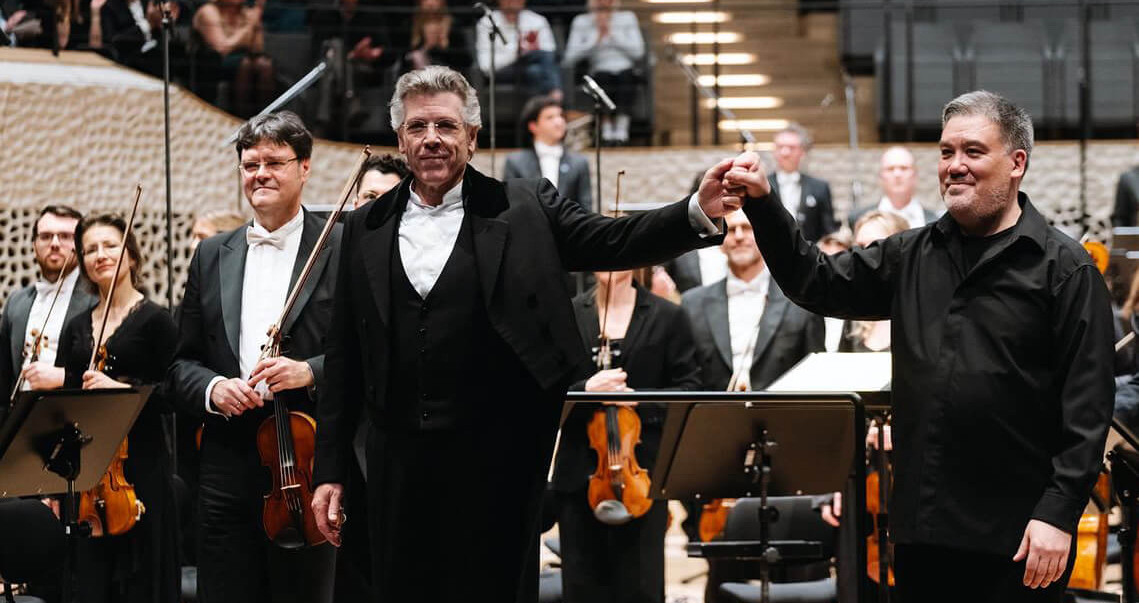
Samuel Barber’s Adagio for Strings, op. 11, is the saddest piece of music ever. Because of its emotional intensity, Adagio has become an unofficial American mourning anthem. The melancholic tones, beautiful harmonies, and endlessly flowing melody produced a lump in the throat. The NDR Elbphilharmonie Orchestra offered a beautiful performance, finely balanced dynamics, and a stunning orchestra sound fitting perfectly into the venue’s acoustics.
Next, American baritone Thomas Hampson took the stage to perform works by Charles Ives and Kurt Weill. Hampson’s stage presence and performance have long been celebrated as a beacon of artistry in music and theatre. With a decade-long career, he has established himself as a champion of operatic and Lieder repertoire, collaborating with major opera companies and festivals worldwide. With an all-American program featuring orchestral adaptations of five songs by Charles Ives and four Walt Whitman Songs by Kurt Weill, Hampson offered a unique opportunity to experience these rarely performed pieces of vocal music live.
Charles Ives’s songwriting is often praised for its depth and relatability. For its ability to capture universal feelings and to create an intimate connection with his audience. The performed five songs, magnificently arranged for orchestra by Toshio Hosokawa, incorporate catchy melodies exploring themes of love, loss, personal experiences and genuine emotion. German-born Kurt Weill, the son of a Jewish cantor, fled Nazi Germany in 1933. In US exile, he set Walt Whitman’s profoundly personal and politically reflective texts to music, bridging European and American musical traditions by employing a range of musical styles from tender ballads to lively marches. Both Weill’s background in musical theatre and Ives’s strong emphasis on vocal performance require a singer with a powerful voice, good breath control, pitch accuracy, and the ability to convey emotions while at the same time emphasising the theatricality of the music.
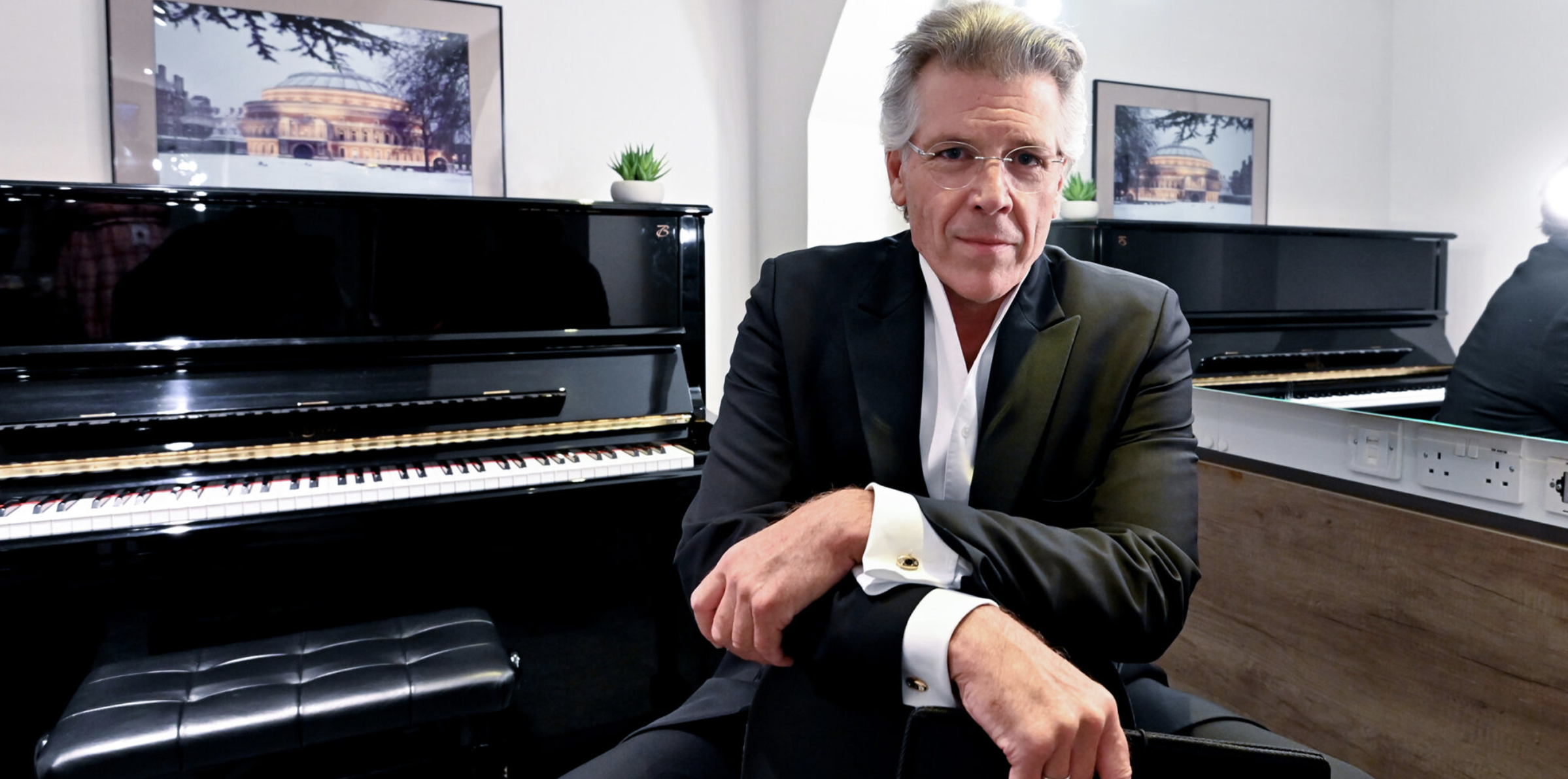
Unhappily, despite Hampson’s illustrious career, it became apparent from the first notes that his voice, never a Wagnerian one, struggled to fill the challenging acoustics of the Elbphilharmonie. His impassioned performance was yet marked by unclear diction, despite being a native speaker, left much of the text incomprehensible without the aid of the program booklet. Hampson’s still impressive stage presence in traditional concert attire evoked nostalgia for opera’s golden age. Nevertheless, throughout his whole performance, there was a sense of witnessing an aging star grappling with physical challenges, prompting the question: When is the right time for a performer to retire?
Arnold Schönberg’s “Peace on Earth” Op. 13, performed after the break presented a stunning display of choral mastery. The Prague Philharmonic Choir’s hauntingly beautiful rendition echoed the essence of Schönberg’s profound message of peace. The absence of instrumental accompaniment highlighted the purity of the voices, creating a deeply moving experience for the audience. Charles Ives’s Symphony No. 4 offered a mesmerising journey through American musical innovation. The orchestra’s interpretation captured the essence of Ives’s groundbreaking composition, showcasing Ives’s unique blend of traditional and experimental techniques.
Alan Gilbert’s conducting brought out the finest nuances of the music, guiding the orchestra with clarity and passion. His interpretation was nothing short of exceptional, deeply insightful, capturing the essence of each piece and creating a mesmerizing musical experience for the audience. Bravi!
 Singers, Staging, Orchestra